
How we learnt not to make any assumptions and talk to actual users before developing or doing anything, it just might save a lot of time and resources.
It has been a major objective to ditch technical language in a bid to foster understanding among our readers on this blog. However, that has not been easy because there are simply some challenges and solutions that cannot be explained without referring to these terminologies.
One of such projects is Kunku, which is basically a read-along, storytelling app. While working on prototypes and MVPs for this app, there were challenges deciding what technology we needed to use in order to achieve our aim of engaging a young readers to follow through a short story on a digital device. The first prototype was a Proof of Concept; basically, this was a demo that would prove that we could actually synchronize audio and highlight the corresponding text just in time, to work like a karaokee machine does like in the sample below.
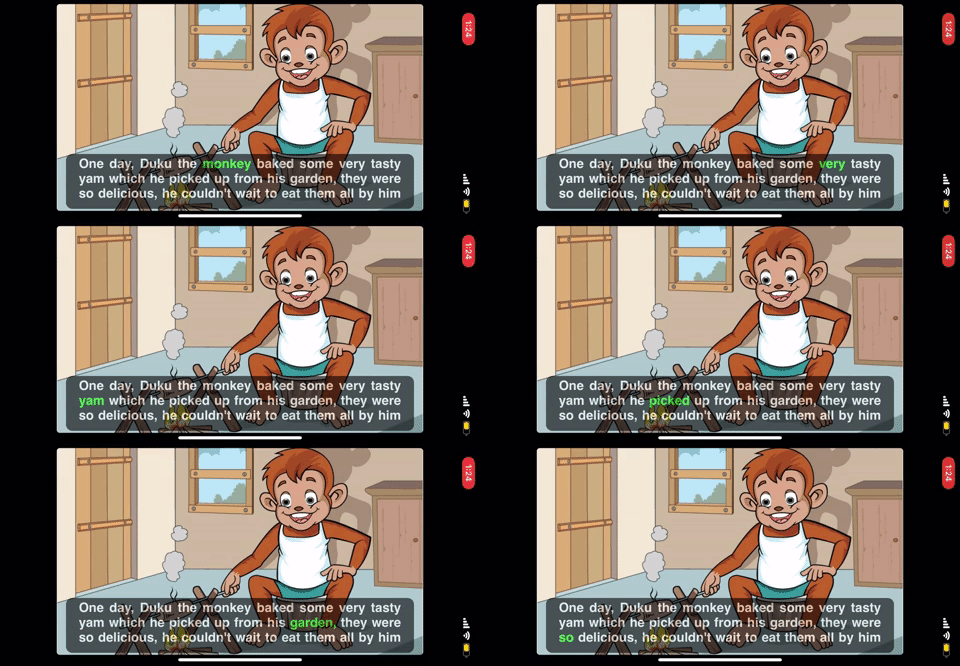
The link below, shows the first version that we worked on. It is a joke compared to what we later achieved but progress is key, whether you move quickly or fast. crashercomics.com/karaokee (I’m sure KRO the owner of that site does not know that is still there after about 6 years :D)
We did prove the possibility of synching audio (be it voice or music) with the highlighted text just like you have in a karaoke machine and this progress led to the implementation of the first version of the app with the story, Duku & Turtle.
Building the first prototype involved restructuring all the words in XML format with the timing of each word; what this meant was that if for example a statement like “I am going to the market” is made, then someone had to sit down to listen to the audio and keep a record of each word that was said and the exact time it was said.
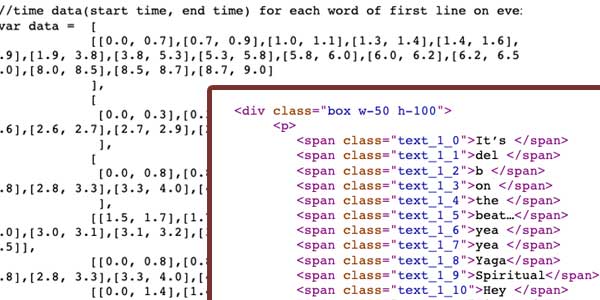
Indeed, it was a lot of work but that was what we had to sacrifice in order to provide a platform without any hindrances or obstacles; this would ensure that the stories were engaging and the readers eagerly followed along, captivated.
What this challenge presented to us was that we had to create a system for data entry and timing – here, someone would sit down, listen to the audio and subsequently enter the exact timing of each word that was said.
Well, after about 2 weeks of a lot of work and expended research and resources, we finally built a system to address this problem; we’re developers after all. The system proved to be effective and worked without any mishap, once the audio was recorded, anyone could sit down with the web application to listen to the audio and keep a record of the time each word was said within the story.
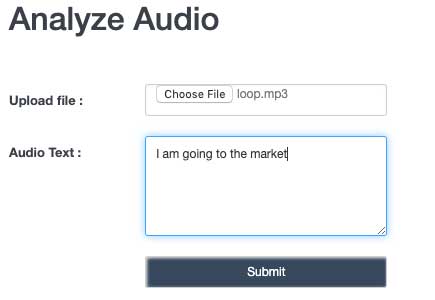
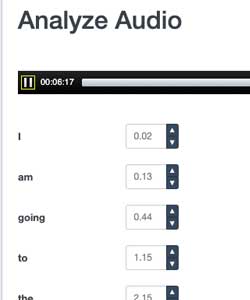
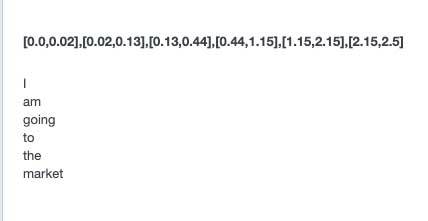
By now you should be wondering, “But what exactly is the mistake here then?”. The funny thing is if we had made out time to do a little research and speak with the non-technical people in our team who were to work with this complex “tool” that we built for data entry. , we would have discovered that all we needed to do was simply use Microsoft excel or google sheets to address the same problem without having to go into development, a case of “inventing a pen that works in space when all we needed was a pencil”.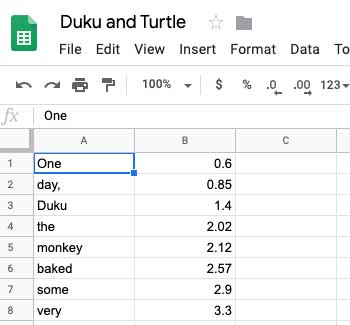
All stories that we later published were logged and timed with excel and some with google sheets and we eventually changed our data structure from XML to json formats but that’s another story for another article.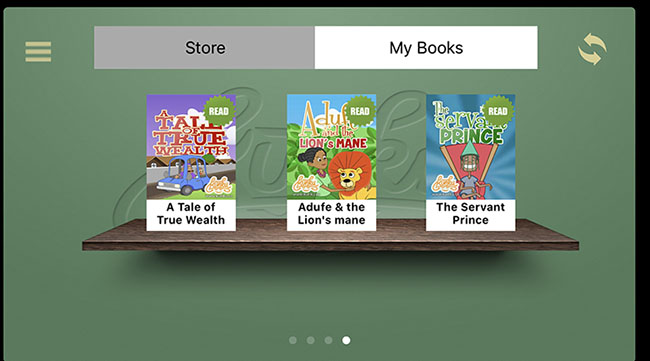
It was not all waste as we learnt a major lesson from this; we got to have more faith in ourselves that there was nothing we couldn’t do if we put our minds to it, there were a lot of other parts of that project that were challenging which we’ve never made a dime from (at least not directly) but it’s birthed a lot more rewarding and fulfilling ideas that we have brought to life. One of such is Orange books which we will talk about in other articles.
Kunku is available on google play and itunes for download